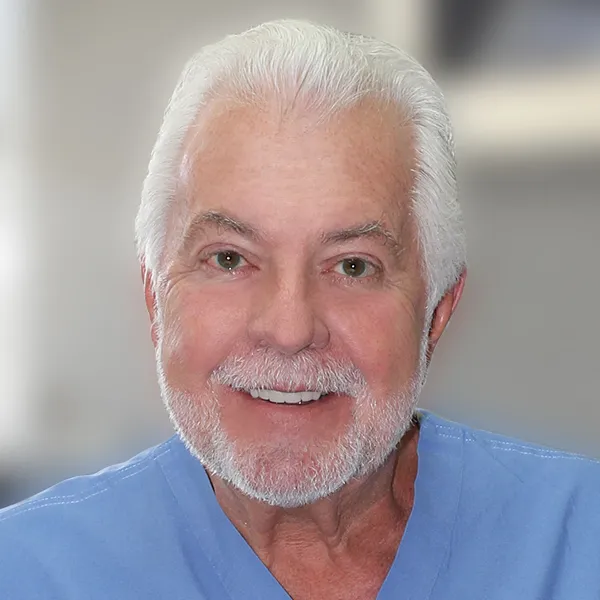

Wolverine stack peptide therapy utilizes a combination of BPC-157 and TB-500 peptides to help support tissue repair, recovery, mobility, and overall healing potential. Richard Conlen, MD, FACOG offers wolverine stack peptide therapy to patients in Boca Raton.
Wolverine stack peptide therapy combines two of the most widely discussed regenerative peptides, BPC-157 and TB-500, to support the body’s natural healing processes, recovery potential, and long-term musculoskeletal health. You may feel frustrated that an injury has not healed as quickly as expected or that pain continues to return despite your best efforts. Perhaps you have completed physical therapy, tried medications, modified your activity level, or explored other treatments without achieving the results you hoped for. It can be discouraging when discomfort, stiffness, or reduced mobility prevents you from fully participating in work, exercise, sports, or the activities you enjoy. Richard Conlen, MD, FACOG develops personalized peptide therapy plans based on your health history, symptoms, recovery goals, activity level, and overall wellness needs. This individualized approach helps ensure your treatment strategy is aligned with your specific objectives.
Traditional approaches often focus on symptom management, while peptide therapy seeks to support the body’s natural healing mechanisms and recovery pathways to promote long term function and resilience. You deserve a recovery strategy that addresses your goals, supports your body’s healing potential, and helps you return to the activities that matter most. Serving Boca Raton, Florida and surrounding Miami–Fort Lauderdale–Port St. Lucie communities, Richard Conlen, MD, FACOG provides personalized wolverine stack peptide therapy programs designed to support recovery, mobility, tissue repair, and long-term musculoskeletal health.
What could your future look like if your body recovered more efficiently and pain no longer prevented you from living the active life you enjoy? Contact Richard Conlen, MD, FACOG at (754) 347-2419 to learn more about wolverine stack peptide therapy.
Benefits of Wolverine Stack Peptide Therapy (BPC-157 and TB-500)
By combining BPC-157 and TB-500 into a single regenerative strategy, many patients pursue wolverine stack therapy to support recovery, improve mobility, and optimize healing potential. This combination is frequently incorporated into personalized treatment plans focused on helping the body repair and perform at its best.
Support Recovery, Tissue Repair, and Long-Term Physical Resilience
Wolverine stack peptide therapy combines BPC-157 and TB-500, two peptides frequently incorporated into regenerative medicine and recovery programs designed to support the body’s natural healing processes. While each peptide works through different biological pathways, they are often used together as a comprehensive strategy focused on tissue repair, recovery support, mobility, and musculoskeletal health. Patients commonly explore wolverine stack therapy when recovering from injuries, managing chronic musculoskeletal concerns, or looking to optimize healing and physical performance.
Recovery involves far more than simply resting and waiting for symptoms to improve. Tendons, ligaments, muscles, joints, and connective tissues all rely on complex biological processes to heal and adapt. Many patients turn to wolverine stack therapy after experiencing slow recovery, recurring injuries, or ongoing limitations that prevent them from returning to the activities they enjoy. By supporting the body’s natural regenerative processes, BPC-157 and TB-500 are often incorporated into personalized treatment plans designed to promote recovery, improve function, and support long term resilience.
Richard Conlen, MD, FACOG utilizes a personalized approach to peptide therapy that considers your symptoms, health history, activity level, recovery goals, and overall wellness needs. Through comprehensive evaluation and individualized treatment planning, patients receive a strategy designed to support healing, recovery, and long-term musculoskeletal health.Richard Conlen, MD, FACOG helps patients in Palm Beach County support recovery, tissue healing, mobility, and long-term musculoskeletal health through personalized wolverine stack peptide therapy programs featuring BPC-157 and TB-500.
Common Conditions Associated with Wolverine Stack Peptide Therapy
Wolverine stack therapy is frequently incorporated into regenerative medicine and recovery programs for patients seeking additional support for healing, mobility, and physical function. While every treatment plan is individualized, several conditions are commonly associated with recovery focused peptide therapy.
Tendon and Ligament Injuries
Tendon and ligament injuries can be slow to heal due to limited blood supply and ongoing mechanical stress. BPC-157 and TB-500 are commonly incorporated into recovery strategies designed to support tissue repair and long term function.
Joint Pain and Degeneration
Chronic joint discomfort, stiffness, and degenerative changes can limit mobility and quality of life. Wolverine stack therapy is often explored as part of a comprehensive approach focused on supporting recovery, mobility, and physical function.
Muscle Strains and Overuse Injuries
Repetitive stress, intense physical activity, and muscle injuries can prolong recovery and impact performance. Recovery focused peptide therapy may help support rehabilitation and a return to normal activity levels.
Post-Surgical Recovery
Many patients explore wolverine stack Therapy following orthopedic procedures as part of a personalized recovery strategy designed to support healing, rehabilitation, and long-term physical resilience.
Frequently Asked Questions
What is wolverine stack peptide therapy?
Wolverine stack peptide therapy combines BPC-157 and TB-500, two peptides commonly utilized in regenerative medicine and recovery focused treatment programs. The combination is often used to support the body’s natural healing processes, recovery pathways, and musculoskeletal health.
Why are BPC-157 and TB-500 used together?
BPC-157 and TB-500 work through different biological mechanisms and are frequently combined as part of a comprehensive recovery strategy. Many providers utilize the wolverine stack because the peptides may complement one another when incorporated into personalized regenerative medicine programs.
Who may benefit from wolverine stack therapy?
Wolverine stack therapy is often considered for individuals recovering from injuries, dealing with chronic musculoskeletal concerns, managing tendon or ligament issues, or seeking additional support for recovery and physical performance. A consultation with Richard Conlen, MD, FACOG can help determine whether this therapy may be appropriate for your goals.
Can wolverine stack therapy be combined with other treatments?
Yes. BPC-157 and TB-500 are frequently incorporated into broader regenerative medicine plans that may include physical therapy, PRP treatments, exercise programs, rehabilitation protocols, and other wellness strategies. Treatment recommendations are personalized based on your individual needs.
How long does it take to notice results?
Response timelines vary depending on the condition being addressed, individual healing capacity, activity level, and overall health. Some patients report gradual improvements within weeks, while others experience more progressive changes as part of a longer-term recovery program.
Is wolverine stack peptide therapy safe?
Peptide therapy should always be prescribed and monitored by a qualified healthcare provider. Richard Conlen, MD, FACOG carefully evaluates each patient’s health history, goals, and treatment needs before recommending wolverine stack therapy and reviews potential risks, benefits, and treatment considerations during the consultation process.
If you still have questions, Richard Conlen, MD, FACOG is here to support, guide, and help you determine whether wolverine stack peptide therapy may be an appropriate part of your personalized recovery and wellness plan.

Richard Conlen, MD, FACOG provides personalized wolverine stack peptide therapy programs designed to support healing, tissue repair, and overall musculoskeletal health.
Call Richard Conlen, MD, FACOG at (754) 347-2419 to schedule your wolverine stack peptide therapy consultation and learn how BPC-157 and TB-500 may help support recovery, mobility, and your long-term wellness goals.

Redefining What Healthy Aging Can Feel Like
At Conlen Health & Longevity, anti-aging medicine is about supporting how you function, recover, and feel as your body changes over time. Richard Conlen, MD, FACOG takes a personalized approach to longevity care, using advanced diagnostics to identify hormonal, metabolic, and nutritional factors that may be affecting energy, body composition, sleep, recovery, and overall vitality. Peptide therapy can be incorporated into a broader, individualized plan when clinically appropriate, helping support targeted wellness goals rather than relying on a one-size-fits-all solution.
Combined with hormone optimization, micronutrient testing, metabolic evaluation, and preventive care, Dr. Richard Conlen’s approach is designed to help patients protect their health, maintain resilience, and pursue healthy aging with greater strength, clarity, and confidence.
We offer a comprehensive, evidence-based approach to women’s health utilizing treatments including:
Richard Conlen, MD, FACOG serves patients in and around: Delray Beach FL, Deerfield Beach FL, Boynton Beach FL, Coral Springs FL, Pompano Beach FL, Coconut Creek FL, Parkland FL, Lighthouse Point FL, Highland Beach FL, West Boca FL, Fort Lauderdale FL, Lake Worth FL, Wellington FL, Margate FL, Weston FL.
What Conlen Health & Longevity‘s Patients Say
“Dr. Conlen is the doctor you hope for. He is kind, compassionate, supportive and experienced. He is proactive and a good listener. His staff is also kind, efficient and always happy to help. Dr. Conlen does reach out to his patients himself and that is greatly appreciated. You truly feel he is looking out for you.”
— Vicki